Author: Rahul Baji

  • Basics matter

    I remember the time when I was an independent consultant. I was consulting with a startup in Pune.

    The startup probably had 4-5 employees. And unlike startups keen to burn through their runway, this startup was conservative in both spending and targeting growth.

    When I was “interviewed” for a consultant role, the task was quite simple. Some bad data had to be removed, and some fresh data needed to be added online.

    I began writing the SQL query under the co-founder’s watchful eye. I did not get SQL right on the first go. However, I had a trick up my sleeve – transactions.

    I prefixed my SQL with a BEGIN TRANSACTION

    BEGIN TRANSACTION
    <query>
    SELECT 
    ROLLBACK TRANSACTION

    What this allowed us to do was revise the query through discussion. But <this> does not seem right. Can we do <that>?

    By the 3rd or 4th iteration, the SELECT appeared to return the data we were expecting.

    Big Learning: Always treat production data with reverence. It needs a sense of sanctity.

    Trust was established that I treated the data with as much care as the founders believed it deserved.

    I went on to win the client.

    It was much later, through random conversations, that I learned that a previous candidate had messed up badly, deleting all good data and preserving only bad data. The founders had to revert to a previous backup, losing the latest batch of data.

    So my reverence for production data (using transactions and committing only after confirming that the updates were sensible) struck a chord with the client.

    I guess basics like being careful around production systems matter.
  • Demo gone wrong

    I remember from the very early days in my career.

    I was a consultant, and the client had a big demo of the solution we had been working on. The audience would be global.

    Prior to the demo, we only had one feature planned to be shown. It worked standalone. However, the real value of the feature was when it would be applied in a loop over a collection.

    Hence, the client requested a last-minute change prior to the demo. This was literally a few minutes before the demo. The presumption was that if the feature worked for a single item, then just iterating over a collection would not be so detrimental.

    Whereas reality had other plans. I was suggesting we demo just the feature, not the iteration over the collection. The iteration logic was not tested, and who knows what would happen during the demo if we presented such an untested solution. The client asked, “Will it crash?” And there was very little probability that the solution would crash. So the client insisted on the change despite the risks.

    Working Code

    Show A

    Last-minute change

    for i = 0 to n-1 {
        Show A
    }

    As you may imagine, the demo bombed. Due to a last-minute change, the implementor forgot to pick an element from the collection, so it displayed a constant value.

    So if the expectation was that 3 different items would be displayed, 3 items were indeed displayed, but they were just the first element being displayed 3 times.

    Big learning: However small the change, don’t do it just before a demo. Demo what you are confident of.

    It would have been much better if we had said that the demo was only for a single item, and the handling of a collection of items was still in the works.

  • Exploring tree structures in business agility practices

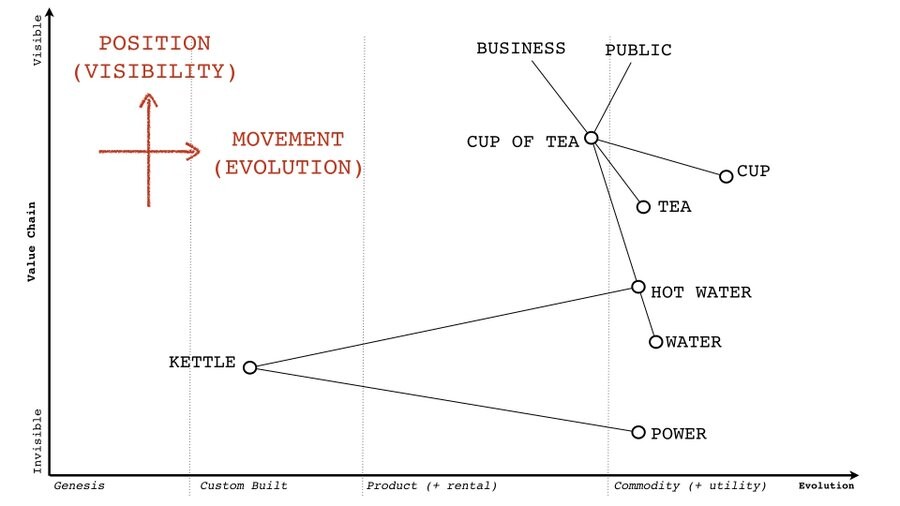
    Wardley Map by Simon Wardley

    Customer need is at the root of the tree. Tree delves into the capabilities required to meet the need. Calling it a tree may be a bit of a debasing of the idea since the visual is a map and the horizontal access has meaning. But vertically it is a tree.

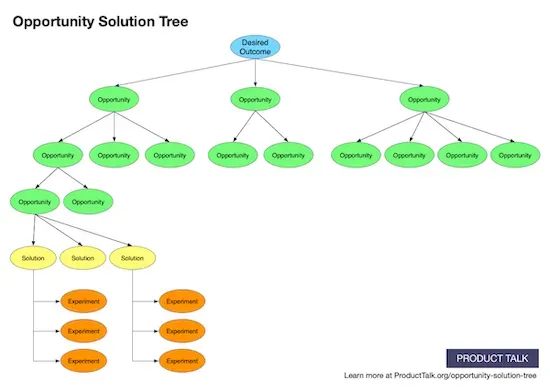
    Opportunity Solution Tree by Teresa Torres

    An outcome at the root of the tree. Tree delves into the various opportunities that exist to bring that outcome to fruition.

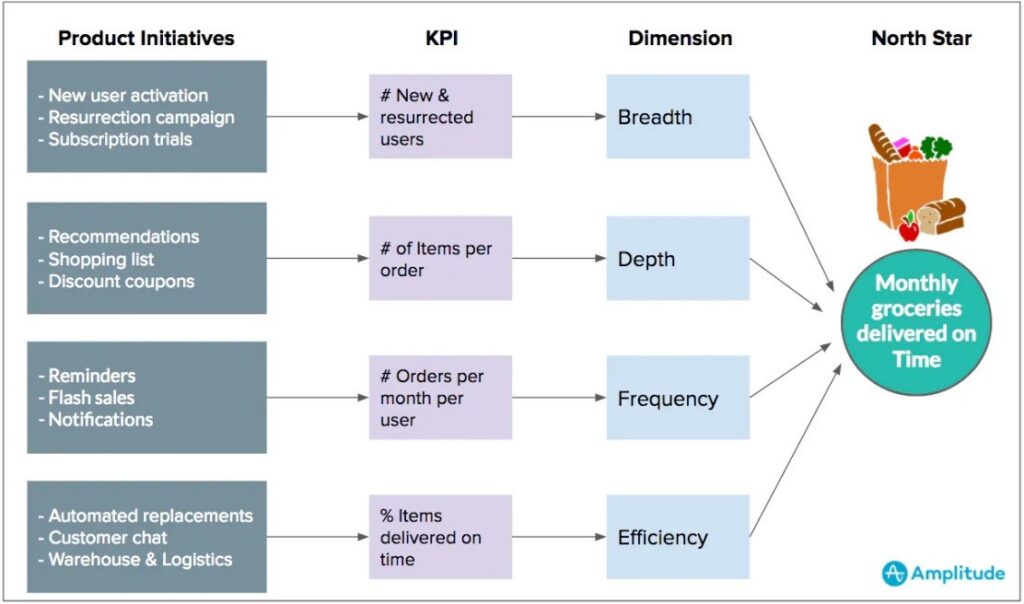
    North Star metric popularized by John Cutler

    The one metric that matters is at the root of the tree. Tree delves into the KPIs that drive the metric and product initiatives that drive the KPIs

  • B2B Customer Journey Mapping

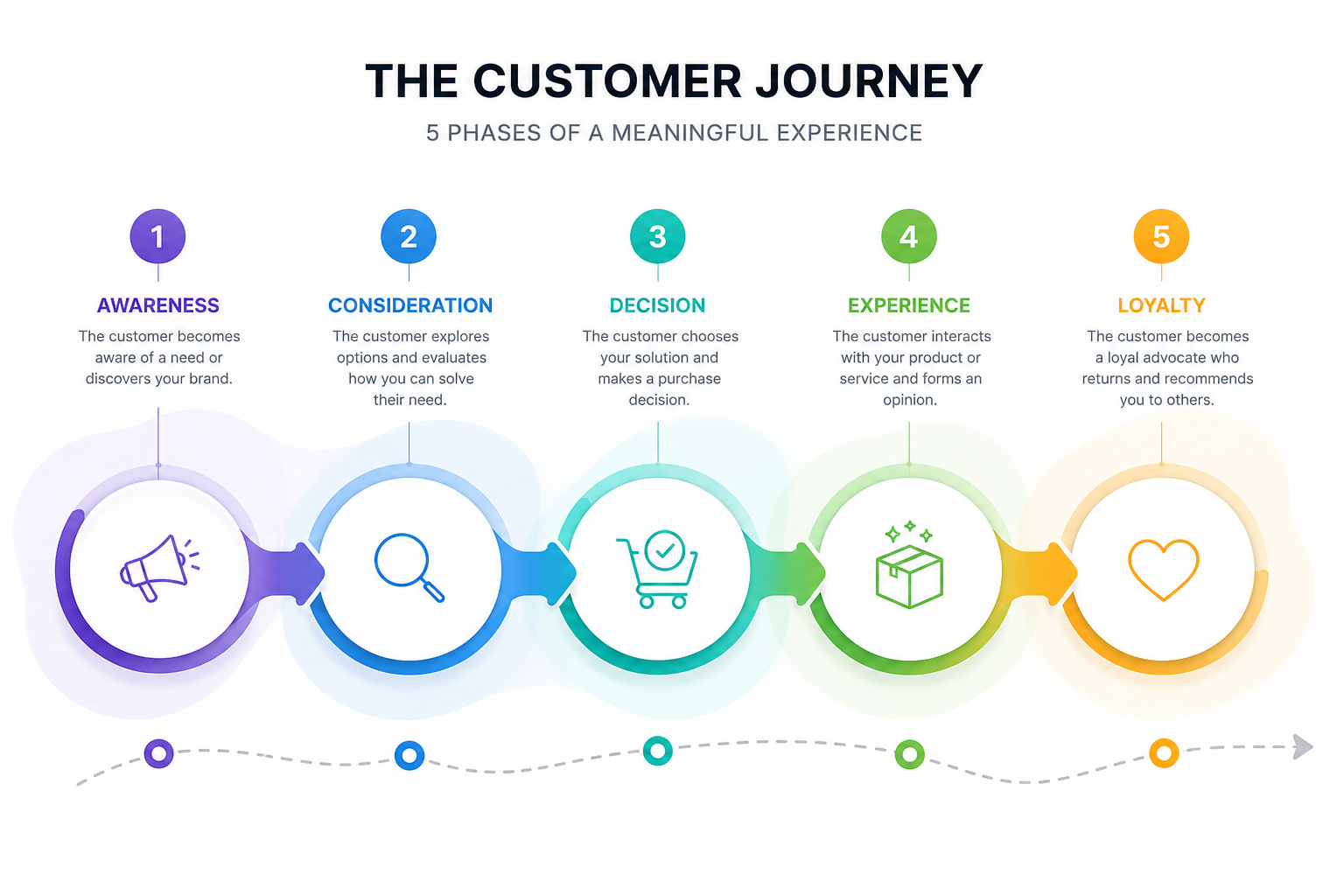
    B2B Customer Journey Mapping

    Customer Journey Map

    In B2B, there are at least 2 personas on slightly different journeys. The buyer is usually on a purchase journey, and the user is usually on a productivity journey. A B2B product needs to reduce friction on both journeys.